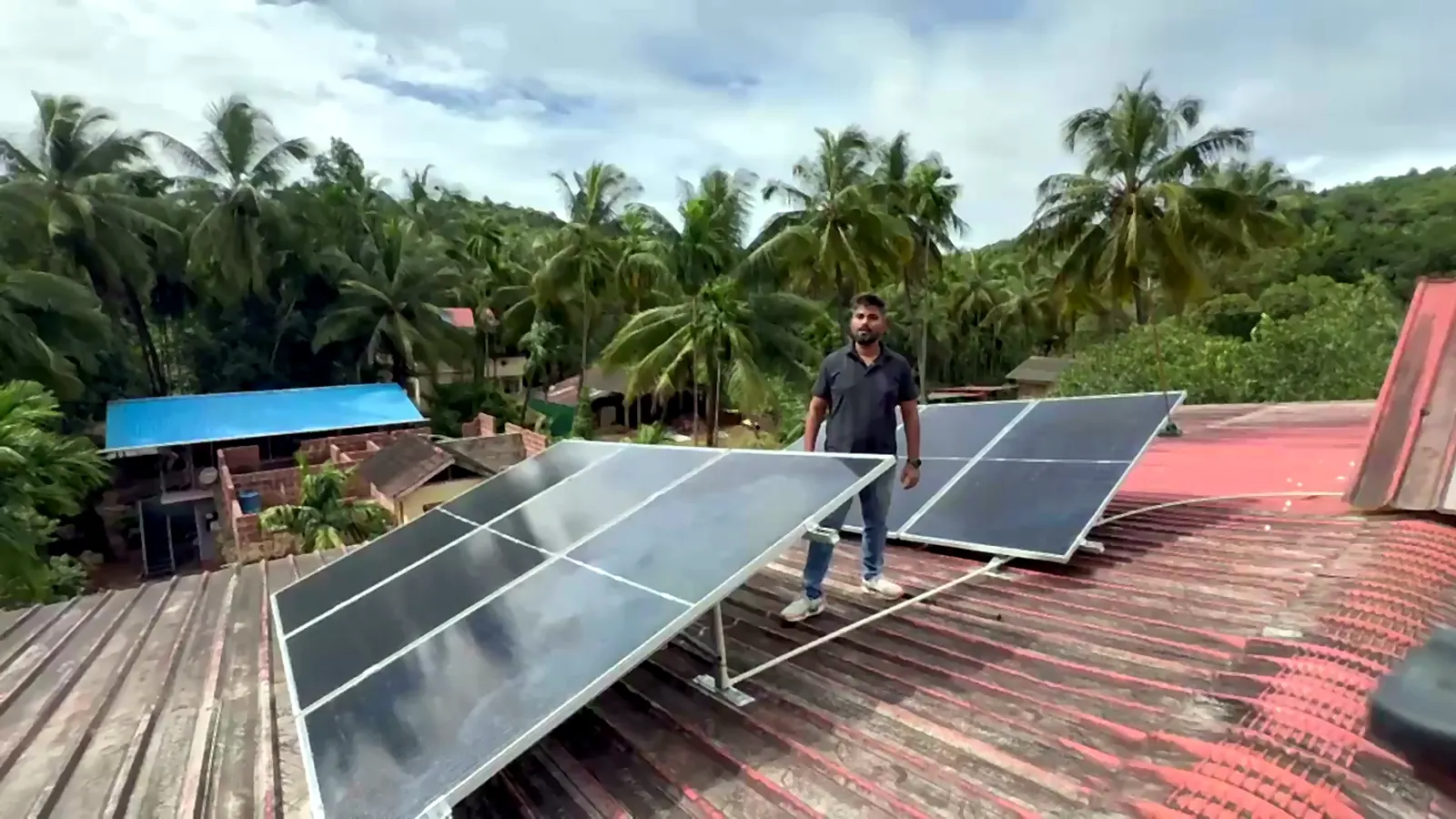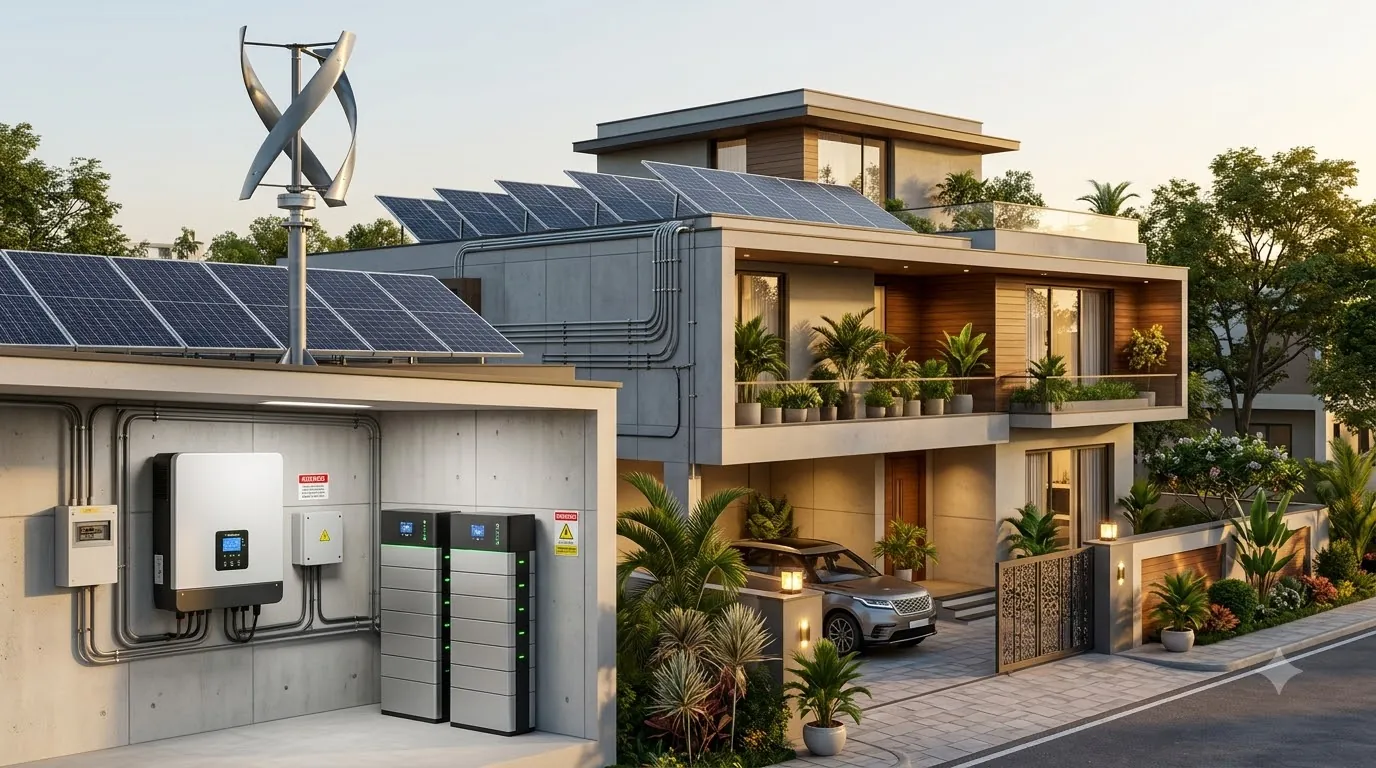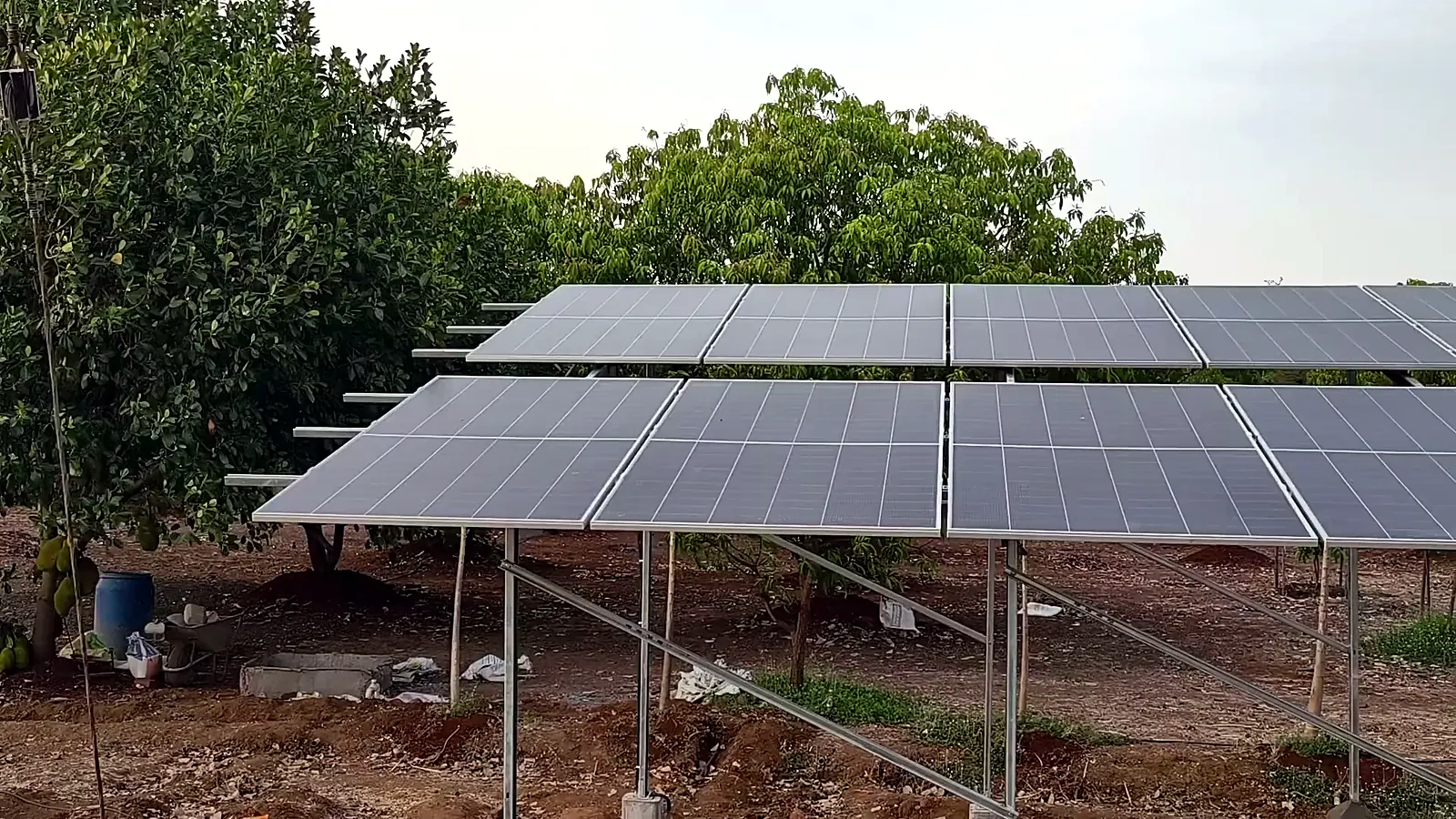
- The central subsidy is ₹30,000/kW for the first 2 kW and ₹18,000 for the 3rd kW — so a 3 kW system gets the maximum ₹78,000.
- Bigger systems are fine, but the subsidy stays capped at ₹78,000.
- The whole process runs online through the national portal, with MSEDCL handling feasibility, net meter and inspection.
- After commissioning, the subsidy is credited to your bank account — the portal targets within 30 days of your claim.
If your electricity bill keeps climbing, the PM Surya Ghar: Muft Bijli Yojana is the single biggest reason rooftop solar now pays back so quickly for homes in Maharashtra. Here is how it actually works on the ground.
What is PM Surya Ghar: Muft Bijli Yojana?
PM Surya Ghar is the Government of India’s flagship rooftop solar scheme for households, launched in February 2024. It gives a fixed Central Financial Assistance (CFA) — what everyone calls “the subsidy” — to homes that install a grid-connected rooftop solar system. The scheme’s aim is to help households generate up to 300 units of their own electricity every month.
In Maharashtra, the scheme is implemented with MSEDCL (Mahavitaran), which checks technical feasibility, installs the net meter and inspects your system before the subsidy is released.
How much subsidy will you get?
The subsidy is a fixed amount per kW of solar panels, not a percentage of what you pay your installer:
| System size | Central subsidy | Good fit for |
|---|---|---|
| 1 kW | ₹30,000 | Small homes, very low usage |
| 2 kW | ₹60,000 | Homes using roughly 150–250 units/month |
| 3 kW | ₹78,000 | Homes using roughly 250–400 units/month |
| Above 3 kW | ₹78,000 (capped) | Larger homes, ACs, EV charging |
Housing societies and RWAs can also benefit: they are eligible for ₹18,000 per kW for rooftop solar that powers common facilities (lifts, lighting, pumps, EV charging), up to 500 kW.
Who is eligible?
- You must be a residential electricity consumer with a valid MSEDCL connection in your name.
- You need a roof suitable for solar — your own house, or a roof you have the right to use.
- You should not have already received a subsidy for rooftop solar on the same connection.
- The system must be grid-connected and installed by a vendor registered on the national portal for your DISCOM.
- Panels must meet the scheme’s Domestic Content Requirement (DCR) — i.e. made-in-India cells and modules. Your installer submits a DCR report as part of the claim.
Step-by-step: applying in Maharashtra
The full journey happens online on the PM Surya Ghar national portal. A good installer will do most of this with you.
- Register on the portal. Choose Maharashtra and MSEDCL, enter your consumer number, mobile number and email.
- Submit the rooftop solar application with your proposed system size.
- Wait for technical feasibility approval from MSEDCL — a check that your connection and local transformer can take a solar system.
- Get the system installed by a registered vendor using DCR panels.
- Submit plant details and apply for the net meter on the portal once installation is complete.
- MSEDCL inspects the system and installs the net meter. The portal then generates your commissioning certificate.
- Claim the subsidy by uploading your bank details and a cancelled cheque. The subsidy is credited directly to your account — the stated target is within 30 days.
Documents to keep ready
- Latest electricity bill (for your consumer number)
- Aadhaar / ID proof and address proof
- Proof of ownership or permission to use the roof
- Bank account details and a cancelled cheque
- Installation photos, DCR report and inspection documents (your installer prepares these)
How much power will a 3 kW system make?
As a planning figure, a rooftop system typically produces around 100–140 units per kW per month. A well-placed 3 kW system can therefore produce roughly 300–420 units a month — lower in the monsoon, higher in the clear months from October to May. Shade from water tanks, neighbouring buildings or trees can reduce this sharply, which is why a proper site survey matters.
Five mistakes that delay or reduce your subsidy
- Using an unregistered installer — only portal-registered vendors are eligible.
- Non-DCR panels — imported modules disqualify the system from the subsidy.
- Installing before feasibility approval — always wait for MSEDCL’s go-ahead.
- Mismatched names and details between your bill, bank account and application.
- Ignoring shade and structure — a poorly placed system makes less power for its whole 25-year life.
How VSwytch helps
We design the system around your roof and your actual consumption, handle the portal application and MSEDCL paperwork, and stay with you through inspection, net metering and the subsidy claim. Want a quick estimate first? Try our solar calculator.
Frequently asked questions
Do I get more subsidy for a 5 kW system?
No. The central subsidy is capped at ₹78,000, which you reach at 3 kW. You can install a larger system, but the extra capacity is not subsidised.
How long does it take to receive the subsidy?
Once your system is commissioned and you submit your bank details on the portal, the subsidy is credited directly to your account. The scheme’s stated target is within 30 days of your claim.
Do I need to pay the full cost upfront?
Usually you pay the installer and then receive the subsidy into your bank account. Several banks also offer rooftop solar loans under the scheme at around 7% interest for systems up to 3 kW.
Can a housing society apply?
Yes. Group housing societies and RWAs can get ₹18,000 per kW for solar that powers common facilities, up to 500 kW.
Is the subsidy available for off-grid systems?
No. PM Surya Ghar is for grid-connected rooftop systems that are linked to MSEDCL through a net meter.
Not sure what’s right for your roof?
Book a free site visit. We’ll study your roof, your bills and your backup needs — and recommend the system that actually fits, including the subsidy paperwork.